
This is how you can keep your dog with you for as long as possible!
In today's fast-paced world, dogs are not only loyal companions but also members of our families. Their love, loyalty, and devotion enrich our everyday lives to a great extent. But how can we ensure that our dogs stay with us for as long as possible? This blog is dedicated to exactly this question and presents "10 Tips for a Long and Happy Dog Life".
Dogs that grow old healthy and happy not only bring joy into our homes but also convey valuable life wisdom. On this journey through the world of dog health, we not only take a look at the most important factors that influence life expectancy, but also at extraordinary stories of dogs that have reached the impressive age of over 25 years. These inspiring examples show that a long dog life is not just a wish, but is definitely achievable.

Dog life expectancy
A look at the average life expectancy of different dog breeds helps dog owners develop realistic expectations and specifically care for the well-being of their animals. It is important to emphasize that the life expectancy of dogs is influenced by many factors, including size, breed, genetic predisposition, nutrition, care, and general health prevention.
Average life expectancy by breed
The average life expectancy of dogs varies considerably. Smaller breeds often have a longer life expectancy than larger ones. For example, small breeds such as Chihuahuas or Dachshunds reach an average life expectancy of 12 to 16 years, while larger breeds such as Saint Bernards or Doberman Pinschers only live to be 8 to 10 years old.
Record holders and their amazing life expectancy
But there are always exceptions that break the rule. Impressive cases of dogs that live far above average fascinate and inspire. Famous record holders such as the Australian Cattle Dog "Bluey", who lived an amazing 29 years and 5 months, or the mixed breed "Bramble", who even lived to be 27 years old, show that a long and healthy dog life is definitely possible.
These record holders make it clear that factors such as a balanced diet, regular vet visits, sufficient exercise, and proper care can have a major impact on life expectancy. By learning from these extraordinary stories, we can better understand how we can maximize the quality of life of our own dogs.

Tip 1: Healthy nutrition for a long and healthy dog life
The foundation for a long and vital dog life is undoubtedly a balanced and healthy diet. Just as with us humans, nutrition also plays a crucial role in dogs' health and well-being. A balanced diet not only provides them with the necessary nutrients but also strengthens the immune system, promotes healthy growth, and ensures a shiny coat.
According to a study on dog life expectancy, the right nutrition can have a significant impact on your dog's lifespan. Especially dogs that are fed homemade food can live up to 32 months longer compared to those that receive industrial food. This finding underscores the importance of a balanced and natural diet that is free from artificial additives. HelloBello Fresh Food offers such a solution – it contains high-quality, natural ingredients that are specially tailored to your dog's needs, and thus contributes to promoting quality of life and a longer lifespan.
The recommendations for high-quality dog food are diverse and often depend on the dog's breed, size, and activity level. HelloBello Fresh Food, for example, relies on natural ingredients and does not use harmful additives, ensuring optimal supply with all necessary nutrients. In addition, through the implementation of a configurator, it is precisely determined how much your dog needs and whether HelloBello's recipes are suitable for your four-legged friend.
In addition to the main food, healthy snacks also play an important role. HelloBello offers not only high-quality fresh food but also delicious and healthy snacks to care for your dog's well-being and health. These are intended not only to be tasty but also to offer nutritional added value. Rewards can consist of fresh fruit, vegetables, or special dog treats and purpose-driven snacks from HelloBello, which are rich in important nutrients. A conscious diet with products like HelloBello contributes not only to the physical but also to the mental health of the dog and thus forms the basis for an active, fulfilling, long, and healthy dog life.

Tip 2: Regular vet visits for prevention
Your dog's health begins with prevention: Regular vet visits are essential for this. Preventive examinations enable the veterinarian to detect potential health problems early and take appropriate measures. Through this proactive approach, serious illnesses can be avoided or treated in an early stage.
Vaccinations play a central role in preventive animal health. The veterinarian creates an individual vaccination plan to protect the dog from dangerous diseases such as rabies, parvovirus, or distemper. Timely and regular vaccinations are important to keep your dog's immune system strong and resilient.
Another important aspect is the control and prevention of parasites. Ticks, fleas, and worms can not only affect your dog's well-being but also cause serious health problems. The veterinarian will recommend suitable preventive measures to protect your dog from these annoying pests.
By making regular vet visits a permanent part of dog care, you lay the foundation for a healthy and happy dog life. The investment in preventive measures pays off in the long term and enables your dog to live an active and carefree life.

Tip 3: Sufficient exercise and training for fitness
An important key to a long and healthy dog life is regular exercise. Sufficiently active dogs benefit not only from physical fitness but also from a strengthened psyche. Therefore, it is important to integrate appropriate exercise options into the dog's everyday life.
Depending on the breed and size, the exercise requirements vary greatly. Active dog breeds such as Border Collies or Labrador Retrievers require more exercise than, for example, smaller, less active breeds. The choice of training methods should therefore be tailored to the individual needs of the dog.
Suitable training methods can be diverse and range from joint walks and running sessions to dog sports such as agility or retrieving. Depending on your dog's temperament and interests, you can also incorporate mentally challenging games and training sessions to promote its mental fitness.
It is important to adapt the exercise and training to your dog's age and health needs. By incorporating regular activities into your dog's everyday life, you not only promote its physical health but also build a close bond between you and your dog. A healthy amount of exercise and training is the key to a fulfilling and active dog life.

Tip 4: Mental stimulation and games for mental fitness
Your dog's mental fitness is just as important as its physical health. Mental challenges not only help to avoid boredom but also promote a healthy mental development. Here are some reasons why mental stimulation is so important for dogs:
- Intellectual stimulation: Dogs are intelligent animals that love to use their brains. Mental stimulation through games and activities keeps their brain active and ensures that they feel good.
- Prevent behavioral problems: Boredom can lead to behavioral problems such as excessive barking, digging, or chewing. Mental challenges help to reduce these unwanted behaviors by providing the dog with mental satisfaction.
- Strengthen the bond: Interactive games promote the relationship between dog and owner. Through joint activities, not only does a deeper bond develop, but also trust and respect.
The recommendations for dog games for mental stimulation are diverse. Intelligent toys, in which treats can be hidden, not only promote concentration but are also fun. Obedience exercises, trick training, or learning new commands are also excellent ways to promote the dog's mental fitness.
Integrating mental challenges and games into your dog's daily life contributes to their mental health and ensures a fulfilling and balanced life for your dog.
Tip 5: Sufficient sleep and rest for recovery
Adequate and good sleep is crucial for your dog's quality of life. Sleep not only affects physical recovery but also emotional well-being. To provide your dog with a quiet and restful sleeping area, you should consider various aspects.
A comfortable sleeping area is important, whether it's a soft dog bed or a cozy blanket in a quiet place. Pay attention to your dog's individual sleeping habits. Some prefer a protected environment, while others prefer to sleep near their owner.
Regular bedtimes contribute to a healthy sleep-wake rhythm and promote your dog's overall stability. Create relaxing bedtime rituals such as short walks, gentle brushing, or quiet games to prepare your dog for a restful sleep.
The sleeping area should also be adapted to your dog's special needs. Older dogs may need additional padding to protect their joints, while smaller breeds may prefer an elevated sleeping position.
By taking these measures and providing your dog with a quiet and comfortable sleeping area, you not only promote their physical recovery but also contribute to a balanced and satisfied life for your dog.

Bello's Tip:
Our HelloBello dog food was developed by veterinarians and contains high-quality, fresh ingredients that are gently prepared at low temperatures in a sophisticated production process. This preserves the valuable vitamins and trace elements and provides your Golden Retriever with all the important nutrients they need.
Tip 6: Do not neglect dental care
Your dog's dental health plays a crucial role in their overall well-being. Dental problems can not only cause pain and discomfort but also have serious effects on the health of the heart, liver, and kidneys. That is why it is important not to neglect dental care.
- Regular dental check-ups: Regularly check your dog's teeth for signs of tartar, gum inflammation, or other abnormalities. Red or swollen gum margins can indicate problems.
- Use dental care products: Support your dog's dental care with suitable products such as toothbrushes, toothpaste, and chew toys. There are also special treats and foods that promote dental health.
- Veterinary visits for professional dental cleaning:** Schedule regular veterinary visits for professional dental cleaning. This is especially important because tartar can build up over time, requiring a thorough cleaning.
- Accustom your dog to dental care early on:** Start introducing your dog to dental care at a young age. This not only makes regular cleaning easier but also makes it more pleasant for your dog.
Caring for your dog's teeth is important not only for fresh breath but also for their overall health. By integrating dental care into your regular grooming routine, you can ensure that your dog maintains a bright smile and optimal health.

Tip 7: Social interaction and bonding for emotional well-being
Dogs' social nature makes regular social interactions and a strong bond with their owners a crucial element of a fulfilling life for your dog. Social contact plays a central role in their emotional well-being.
It is recommended to consciously spend time with your dog, whether through shared activities such as walks, playing in the park, or relaxing moments on the sofa. The emotional closeness that arises from shared experiences strengthens the bond.
Participating in dog playgroups not only allows your dog to interact with other dogs but also gives you the opportunity to connect with other dog owners. Social contact promotes not only your dog's well-being but also your own.
Practice positive reinforcement by rewarding your dog's good behavior with positive attention, praise, and affection. This form of communication strengthens not only the bond but also the trust between your dog and owner.
Focus on loving and patient dog training. Clear communication and consistent but gentle guidance help build a deep bond.
Pay attention to your dog's individual needs. Some dogs are more sociable, while others prefer quiet. Respect their boundaries and create an environment that meets their social needs.
Nurturing social interactions and strengthening the bond between you and your dog not only promotes their emotional well-being but also contributes to a harmonious and fulfilling life together.
Bello's Tip:
To continuously support your dog's gastrointestinal health in the long term, we recommend the HelloBello Gastrointestinal Drops. These contain probiotics and prebiotics that promote natural intestinal regulation while also strengthening the immune system

Tip 8: Make age-appropriate adjustments
As your dog gets older, their needs and abilities change. It is important to make age-appropriate adjustments so they can live a comfortable and fulfilling life. Here are some tips for caring for an older dog:
- Veterinary check-ups: Regular veterinary visits are especially important in old age so that age-related health problems can be detected and treated early. Talk to the veterinarian about individual needs such as age-appropriate nutrition and exercise.
- Adjusting nutrition: Older dogs often need a tailored diet. Pay attention to high-quality food that is specially formulated for the needs of seniors, and consider possible weight changes.
- Rest and recovery: Give your older dog plenty of rest. A comfortable, easily accessible sleeping area and enough time to rest are important to accommodate age-related fatigue.
- Adapt physical activity: Adjust the type and intensity of physical activity to your dog's age. Gentle walks and moderate exercise promote health without overtaxing the older dog.
- Health monitoring: Pay attention to changes in your dog's behavior, mobility, or appetite. Early detection of problems allows for timely treatment and contributes to a better quality of life.
- Create a comfortable environment: Adapt your dog's environment to their needs. Non-slip floors, comfortable resting places, and possibly stair ramps can make daily life easier.
- Mental stimulation: Mental stimulation is also important in old age. Games, puzzles, and gentle training promote the older dog's mental fitness.
Through thoughtful adjustments and loving care, you can maximize your older dog's quality of life and ensure they enjoy their golden years with dignity and comfort.

Tip 9: Preventive healthcare through regular care
Regular care for your dog plays a crucial role in preventive healthcare. Here are some tips on how you can support your dog's health through a good grooming routine:
Coat care is very important, regardless of your dog's breed or coat type. Regular brushing removes loose hair, prevents matting, and promotes healthy skin.
Your dog's ears should be regularly checked for redness, swelling, or unpleasant odors. Gently cleaning the ears with a product designed for this purpose helps prevent infections.
Pay attention to the length of your dog's nails. Nails that are too long can cause pain. Carefully trim them with special nail clippers when necessary.
Your dog's eyes also need your attention. Look for signs of redness, tearing, or swelling. Clean any tear stains and consult your veterinarian if problems persist.
Regular health checks should be part of the grooming routine. Pay attention to abnormalities such as skin changes, lumps, or behavioral changes that could indicate a possible health problem.
Your dog's nutrition plays an important role. Make sure it meets their needs and consult your veterinarian if in doubt to ensure a balanced diet.
With consistent and loving care, you not only support your dog's appearance but also actively contribute to maintaining their health. A regular grooming routine allows you to detect possible problems early and act in time.
Tip 10: Mental challenge and variety
To promote your dog's mental fitness and make their life interesting, it is important to regularly offer them mental challenges and new experiences. Smart toys that release treats, such as interactive food balls or puzzle toys, can improve their cognitive abilities.
Explore different environments with your dog on walks, whether in the forest, the park, or new neighborhoods. The variety of smells, sights, and sounds not only provides mental stimulation but also offers a welcome change from everyday life.
Learning new tricks is an excellent way to increase mental challenge. From simple commands to elaborate stunts, trick training can not only promote your dog's intelligence but also strengthen the bond between dog and owner.
Dog sports such as agility, dog dancing, or mantrailing are not only physically demanding but also require a high level of mental concentration. By participating in such activities, your dog not only experiences a mental challenge but also increased interaction with you.
Treat-finding games, where you hide treats around the house or garden, allow your dog to use its keen sense of smell while having fun. Shared learning time, whether with new commands or brain games, not only promotes its mental fitness but also strengthens the emotional bond between you.

Conclusion
Caring for our beloved four-legged friends means knowing that a fulfilling life for a dog depends not only on physical health but also on balanced mental stimulation. From a healthy diet and regular vet visits to new tricks and adventures—every tip we explored today is a piece of the puzzle for our four-legged friends' overall well-being.
To offer our dogs the best possible quality of life, it takes commitment, attention, and love. By following this advice, we not only give them a long and healthy life but also a fulfilling and happy existence. May every moment with our faithful companions be filled with adventure, laughter, and deep connection. For in their happiness, we find our own.🐾🍀
Sources:
- Lippert, J. A., & Sapy, T. A. (2018). Domestic Dogs Life Expectancy: A Survey of Health and Longevity in Dogs. Retrieved from https://www.cavalierhealth.org/images/Lippert_Sapy_Domestic_Dogs_Life_Expectancy.pdf.
Ready to give your dog a healthier and longer life?
Order gluten-free dog food now and 30 % save!
Order now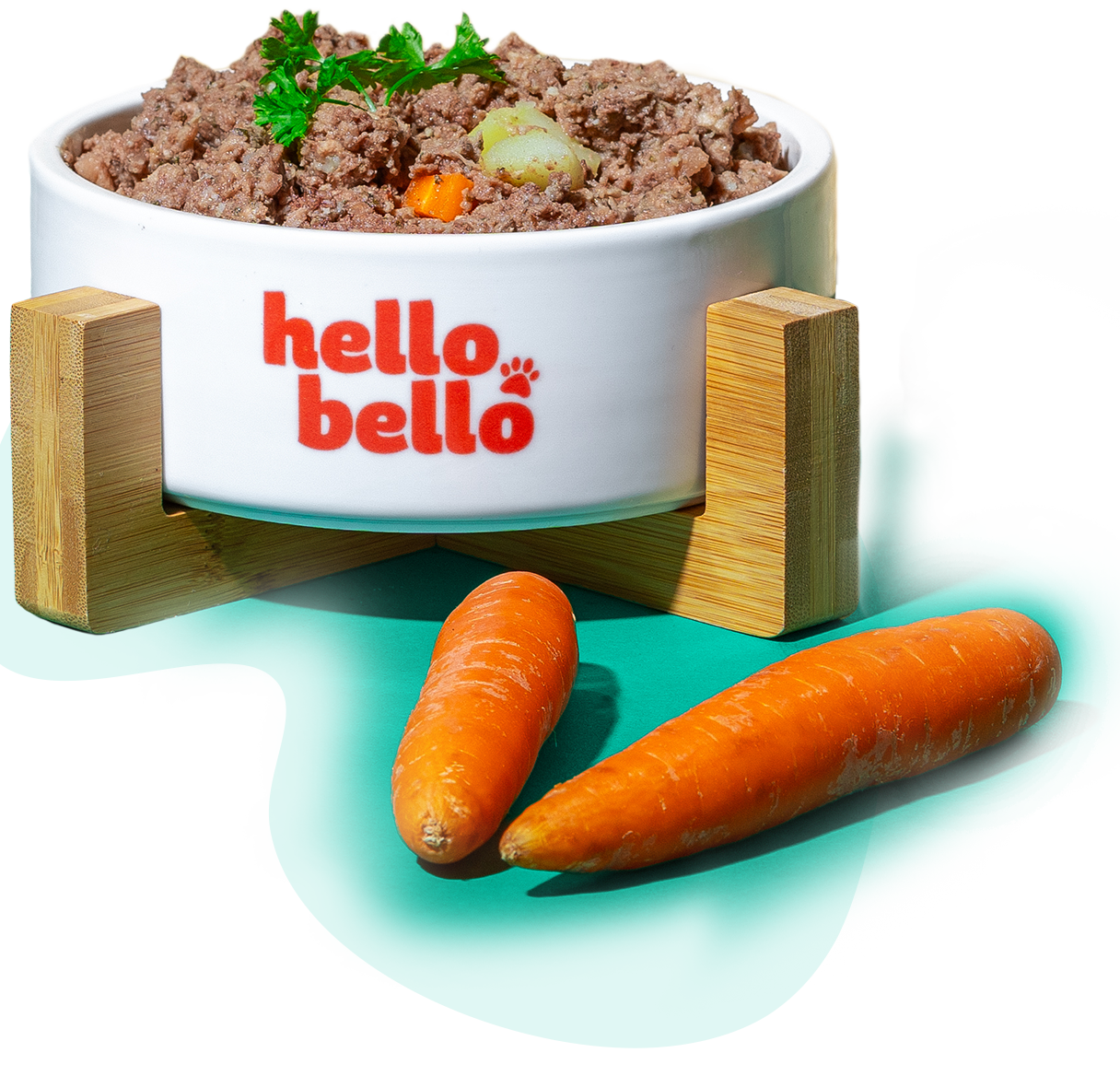


Ähnliche Artikel


