
Choosing the right dog food can be a real challenge for many pet owners, as the market is flooded with countless options. In this comprehensive blog post, you will find all the information you need to fully understand the importance and benefits of a gluten-free diet for your four-legged friend. We take an in-depth look at the role of gluten in dog food and explain why switching to a gluten-free alternative is often the best decision for your dog's long-term health.
Whether you are an experienced dog owner or have just adopted your first pet, we will guide you with step-by-step instructions for switching foods and provide valuable advice on monitoring your pet's vitality. Gluten-free dog food is more than just a trend; it is a proactive step towards a diet that is not only nutrient-rich but also particularly gentle on the sensitive digestive system.
Table of Contents
What is gluten and what role does it play in dog food?
To understand why gluten-free dog food is gaining importance, you first need to clarify what gluten actually is. Gluten is a sticky protein that naturally occurs in many types of grain such as wheat, barley, and rye. It plays a central role in many commercially available dog foods, as it is often used as an affordable filler or binder to maintain the shape and consistency of dry food kibble.
However, a major disadvantage is that plant-based proteins from gluten are far less digestible for dogs than high-quality proteins from meat. While many dogs can process gluten without any problems, some animals develop an intolerance or even an allergy over time. This can lead to a variety of complaints, ranging from chronic digestive problems to a weakened immune system.

Symptoms of gluten intolerance in dogs
Many dogs suffer from food allergies without it being noticed, and a significant number are allergic to gluten. As a pet owner, you should look out for the following signs that may indicate an intolerance:
Frequent bloating, stomach pain, or diarrhea.
Severe itching, skin rashes, or redness.
Recurring chronic ear infections.
Lack of energy and a dull coat.
Breeds such as the French Bulldog, Labrador Retriever, or Dachshund are particularly susceptible to such allergies. In these cases, a 100% gluten-free diet can often work wonders.
The most important benefits of gluten-free dog food
Choosing gluten-free dog food brings numerous health benefits that can significantly improve your pet's overall well-being.
1. Improved digestive health
Eliminating gluten significantly relieves the gastrointestinal tract. When this hard-to-digest protein is removed from the daily diet, typical symptoms such as bloating and diarrhea can often be alleviated within a short time. Your dog will feel fuller and less burdened after meals.
2. Relief of allergy symptoms
Since gluten is one of the most common allergens in pet food, its removal leads to a noticeable reduction in itching and skin irritation. A dog that no longer has to scratch constantly gains a tremendous amount of quality of life and comfort.
3. Increased nutrient absorption
It is scientifically documented that gluten can impair the absorption of important nutrients in the intestines of sensitive animals. With a gluten-free diet, the digestive system is better able to break down vitamins, minerals, and essential fatty acids and absorb them efficiently into the body. In the long term, this leads to more vitality and a stronger immune system.

Choosing the right food: Quality over marketing
Not every food labeled as "gluten-free" is automatically healthy. When choosing, you should definitely pay attention to quality and maximum transparency. A high-quality gluten-free dog food should be rich in fresh proteins and use complex, gluten-free carbohydrate sources.
What you should look for on the ingredients list
Taking a look at the label is essential. Pay attention to the following points:
High-quality proteins: Meat types such as chicken or beef should always be at the top of the declaration. Avoid terms like "meat meal" or vague "animal by-products".
Fresh fruit and vegetables: Ingredients such as sweet potatoes, peas, carrots, spinach, or apples provide natural vitamins and important fiber.
Gluten-free carbohydrates: If grain is included, it should be millet, rice, quinoa, or oats.
No artificial additives: Natural food avoids colorings, preservatives, and unnecessary fillers.
HelloBello Fresh Food meets all these high standards. It is based on a 100% natural recipe, is completely grain-free, and is gently cooked so that all essential nutrients are preserved.

Step-by-step: The safe food transition
Switching to gluten-free dog food requires planning, as an abrupt change often leads to digestive problems. We recommend a gradual transition over a period of about two weeks.
The transition plan:
Days 1-4: Mix approx. 25% of the new, gluten-free food with 75% of the usual food.
Days 5-8: Increase the ratio to 50% new food and 50% old food.
Days 9-12: Feed 75% of the new food and only 25% of the old food.
From Day 13: Your dog will now receive 100% of the high-quality gluten-free food.
During this phase, you should closely monitor your pet's health. Pay special attention to their appetite, energy level, and stool consistency. In case of drastic changes or discomfort, you should consult a veterinarian immediately.
Frequently asked questions and concerns
Many pet owners wonder if it is suitable for all dogs and if it is significantly more expensive. Although high-quality products are often more expensive, you should see this as an investment in health that can save future veterinary bills.
While most dogs benefit from a gluten-free diet – especially those with allergies – it is not necessarily necessary to switch for perfectly healthy dogs without a medical reason. In any case, it is recommended to speak with a trusted veterinarian before making a fundamental change to the diet to rule out individual nutrient deficiencies.

Where can I buy gluten-free food?
You can find gluten-free options in almost every pet store or supermarket today. However, for maximum quality and an individual adjustment to your dog, it is advisable to buy from specialized providers such as HelloBello. Here you can rely on veterinarian-developed recipes and transparent ingredients.

Where can I buy gluten-free dog food?
Gluten-free dog food is widely available and can be purchased in various places. You can find it in pet stores, supermarkets, and online shops such as HelloBello. When buying online, it is important to buy from reputable providers to ensure the quality of the food. You can also check the reviews and ratings of the food to get an idea of its quality and effectiveness.
Bello's Tip:
Get to HelloBello know
HelloBello was developed by veterinarians and is the first freshly cooked food for your dog. Three high-quality varieties that provide your four-legged friend with all the nutrients they need for a long and healthy life.
Conclusion: The right decision for a healthy digestion
The decision to choose gluten-free dog food is a proactive step to promote the long-term health and well-being of your dog. Since gluten is often difficult to digest as an inexpensive filler, avoiding it can effectively relieve typical complaints such as bloating, diarrhea, and skin irritations. A gluten-free diet also improves nutrient absorption in the digestive tract, which leads to more vitality, a stronger immune system, and a shiny coat. Especially for allergy-prone breeds, HelloBello offers an ideal solution through freshly cooked, veterinarian-developed menus without artificial additives. Ultimately, with high-quality, gluten-free feeding, you are investing in the quality of life of your pet and sustainably preventing health problems.

Anita Lorber
Ready to give your dog a healthier and longer life?
Order gluten-free dog food now and 30 % save!
Order now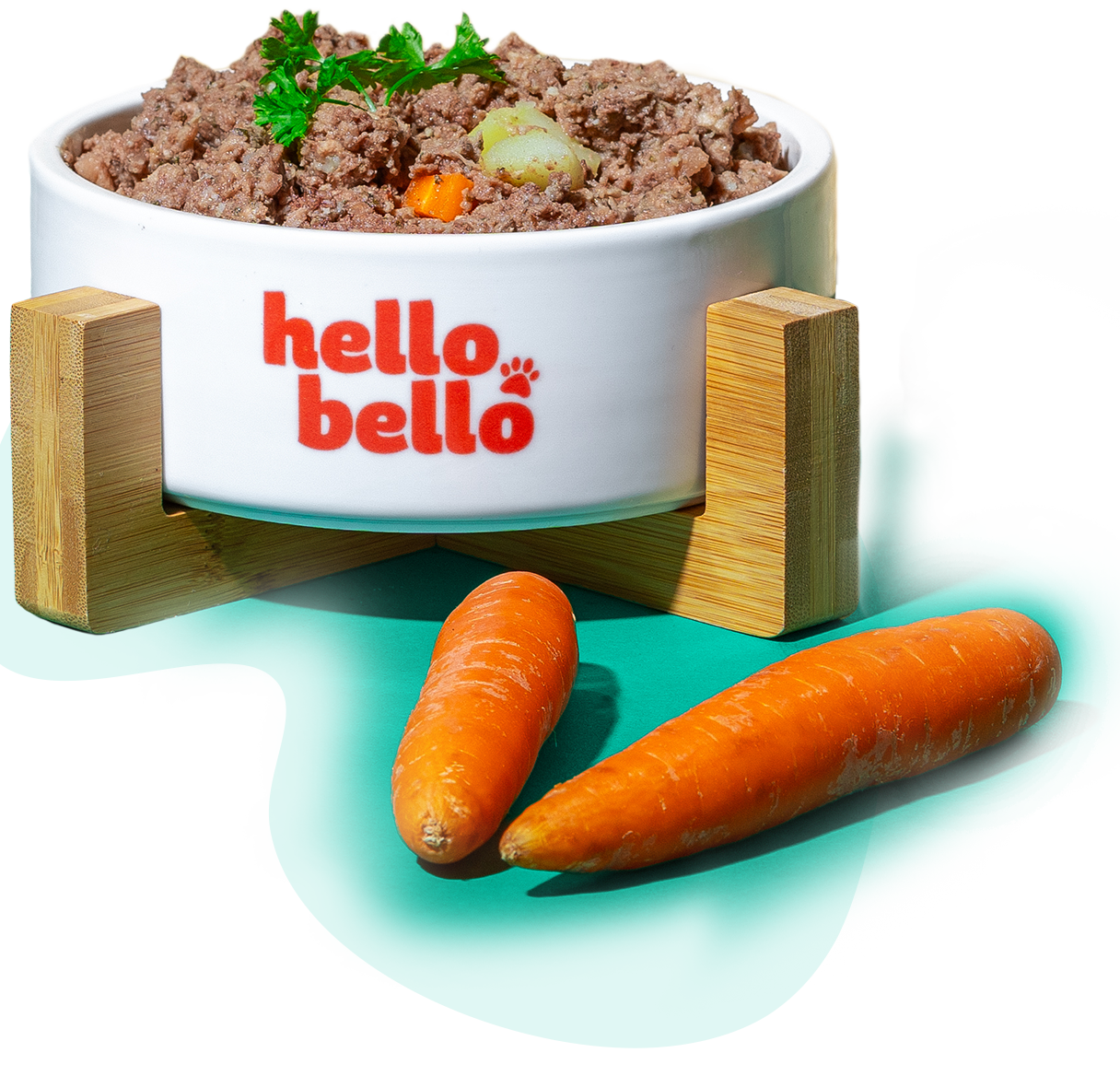


Ähnliche Artikel


