
Obesity in dogs is a serious issue that deserves increasing attention in our modern society. In a world where the trend towards hearty meals and a more sedentary lifestyle prevails, unfortunately, our four-legged companions are no exception. Many dogs already suffer from the serious health consequences of obesity, while their owners are often unaware of the massive damage they are doing to their pet. In this comprehensive blog post, we will explore the topic in detail, clarify the causes, highlight the effects, and above all, present solutions through proper nutrition.
Table of Contents

How to spot obesity in your dog early
Of course, you love your dog and want to treat them with a treat now and then, but you must be extremely careful. Too many rewards can quickly lead to obesity in dogs, which is anything but healthy for our four-legged friends. To determine whether your dog is carrying a few pounds too much, it is not just about the number on the scale, but above all their body shape and posture.
A healthy body shape is characterized by a clearly visible waist when viewed from above. You should also be able to feel their ribs slightly when you gently stroke your dog's side. If these features are difficult or no longer visible, your dog is most likely overweight. In such a case, immediate action is required. A visit to the veterinarian for confirmation and the development of an individual weight loss plan can make a life-changing difference to your dog's well-being.

Common causes of obesity in dogs
Obesity in dogs is a serious concern that can occur due to a variety of factors. There are several causes of obesity in dogs:
- Excessive calorie intake: One of the main causes of obesity in dogs is excessive calorie intake. When dogs receive more food than they burn through exercise and activity, the excess calories are stored in the form of fat reserves.
- Lack of physical activity: Dogs are naturally very active animals and need regular exercise to stay fit and healthy. A sedentary lifestyle can lead to weight gain in dogs because they do not burn enough calories.
- Spaying or neutering: Spaying or neutering can slow down a dog's metabolism, which can lead to weight gain. This hormonal influence often requires a dietary adjustment to keep their weight under control.
- Health problems: Certain health problems, such as thyroid diseases or Cushing's syndrome (a hormonal disorder in which the body produces excessive amounts of the stress hormone cortisol), can affect metabolism and lead to obesity. These conditions require careful veterinary care and specific treatment approaches.
- Genetic predisposition: Some dog breeds have a genetic predisposition to obesity, meaning they may be more prone to weight gain. In these cases, it is especially important to closely monitor their diet and exercise.
- Eating habits: Irregular or uncontrolled feeding habits can lead to weight problems. Feeding table scraps or excessive treats can be a source of extra calories.
It is important to understand the causes of obesity in dogs so that preventive measures can be taken and to ensure that our dogs can live a healthy and fulfilling life.
The health effects of obesity
Just like in humans, obesity can also have significant health effects on our dogs. An overweight dog can have similar health problems to an overweight human, including cardiovascular and joint problems.

Cardiovascular problems and obesity in dogs
Cardiovascular problems are among the most serious risks. The extra weight puts considerable strain on the heart, as it has to work harder to pump blood efficiently throughout the entire body. This can lead to thickening of the heart walls, high blood pressure, and heart failure. Affected dogs often show symptoms such as shortness of breath, rapid fatigue, and a significantly reduced quality of life.

Joint strain
An overweight dog puts excessive strain on its musculoskeletal system. This often leads to painful conditions such as arthritis and chronic joint inflammation, which severely restrict mobility. Particularly hard surfaces such as tiles or concrete cause additional distress for these dogs.
Reduced life expectancy
It is scientifically proven that obesity can shorten a dog's lifespan. The extra treats we give out of love can mean we get to spend fewer healthy and happy years with our faithful friend.
Psychological consequences
The psychological effects are often underestimated. A chubby dog may look cute, but often suffers from low energy, a lack of interest in activities, or even shows signs of depression. This can strain the bond between owner and dog. Responsible dog ownership therefore also means paying attention to their emotional well-being.
Weight management: The path to the ideal weight
Proper feeding with HelloBello
It is important that your dog receives balanced, nutrient-rich meals and that high-fat snacks are avoided. HelloBello offers a tailored solution: Our fresh food is developed by veterinarians and contains high-quality, fresh ingredients. A gentle production process at low temperatures preserves valuable vitamins and trace elements.
The benefits of portioned feeding
A key aspect is structured food intake. Instead of giving one large meal, the daily food ration is divided into smaller meals. This controls appetite and promotes an active metabolism. The dog feels fuller, even when calorie intake is reduced. Our food configurator calculates your dog's exact daily requirements.

More exercise for your dog
Exercise not only keeps your dog fit, but also strengthens your bond. Sports activities such as fetching, long walks, or even swimming and agility are great ways to burn off excess energy. However, the activities should always be adapted to the breed, age, and health condition to avoid overexertion. Endurance is the key to success here.
Support and motivation for your dog
To help your dog lose weight, they need support and motivation. Focus on the positive aspects of a healthy diet and sufficient exercise, rather than highlighting the negative aspects. Reward your dog with love and praise instead of treats, or give your dog healthy snacks like the healthy Snacks with Purpose by HelloBello. Make training varied and exciting by incorporating different games and puzzles, and make sure your dog does not feel disadvantaged. Every bit of progress your dog makes on the path to a healthier lifestyle is a reason to celebrate. Remember that changes take time, but with patience and consistency, you will achieve positive results and support your dog on their journey.
The role of the veterinarian in your dog's weight management
The veterinarian plays a central role in your dog's weight management. This is not just about weighing them on the scale, but above all about the overall well-being and health of your four-legged friend. The veterinarian can perform regular health checks on your dog to ensure that there are no underlying medical problems that could lead to weight gain. They can also help you create an individual nutrition plan tailored to your dog's specific needs and activity level. They can also monitor progress and make adjustments if necessary. When it comes to your dog's weight, the veterinarian is an important partner you can rely on.

Regular health check-ups
Prevention is key to a long and healthy life for your dog. Regular health checks allow the veterinarian to detect potential problems early and intervene before they become serious. This is especially important for weight issues. Such check-ups can be life-saving and help prevent unwanted weight gain in your dog. From regular weight and health checks to special tests - regular veterinary visits are essential for your dog's well-being.
Individual nutrition plan
A tailored nutrition plan for your dog is an important part of weight management. This is not just about the type of food, but also about the amount and timing of meals. Every dog is unique and needs a specially adapted diet. For example, an older dog with joint problems can benefit from food that is rich in omega-3 fatty acids, while a young, energetic puppy needs a higher-calorie diet. It is also important to keep an eye on portion sizes, as too much food can lead to weight problems despite its quality. So make sure your dog's meals are appropriately portioned. Don't forget to schedule regular follow-up appointments with the veterinarian to ensure that your dog's diet supports their health and well-being.
Conclusion: Success with patience and consistency
Success is rarely a quick process, especially when it comes to weight loss, whether for humans or our pets. The journey to weight loss can be challenging, but with enough patience and consistency, you can achieve your goal. It is important to set realistic goals and understand that it is a long-term process.
It takes time, but continuous efforts will pay off. Don't be discouraged if progress seems slow. Remember that even a moderate weight loss of just 5% can bring significant health benefits to your furry friend. So keep at it and stick consistently to your weight management plan - the improvements will become noticeable over time!

Anita Lorber
Ready to give your dog a healthier and longer life?
Order gluten-free dog food now and 30 % save!
Order now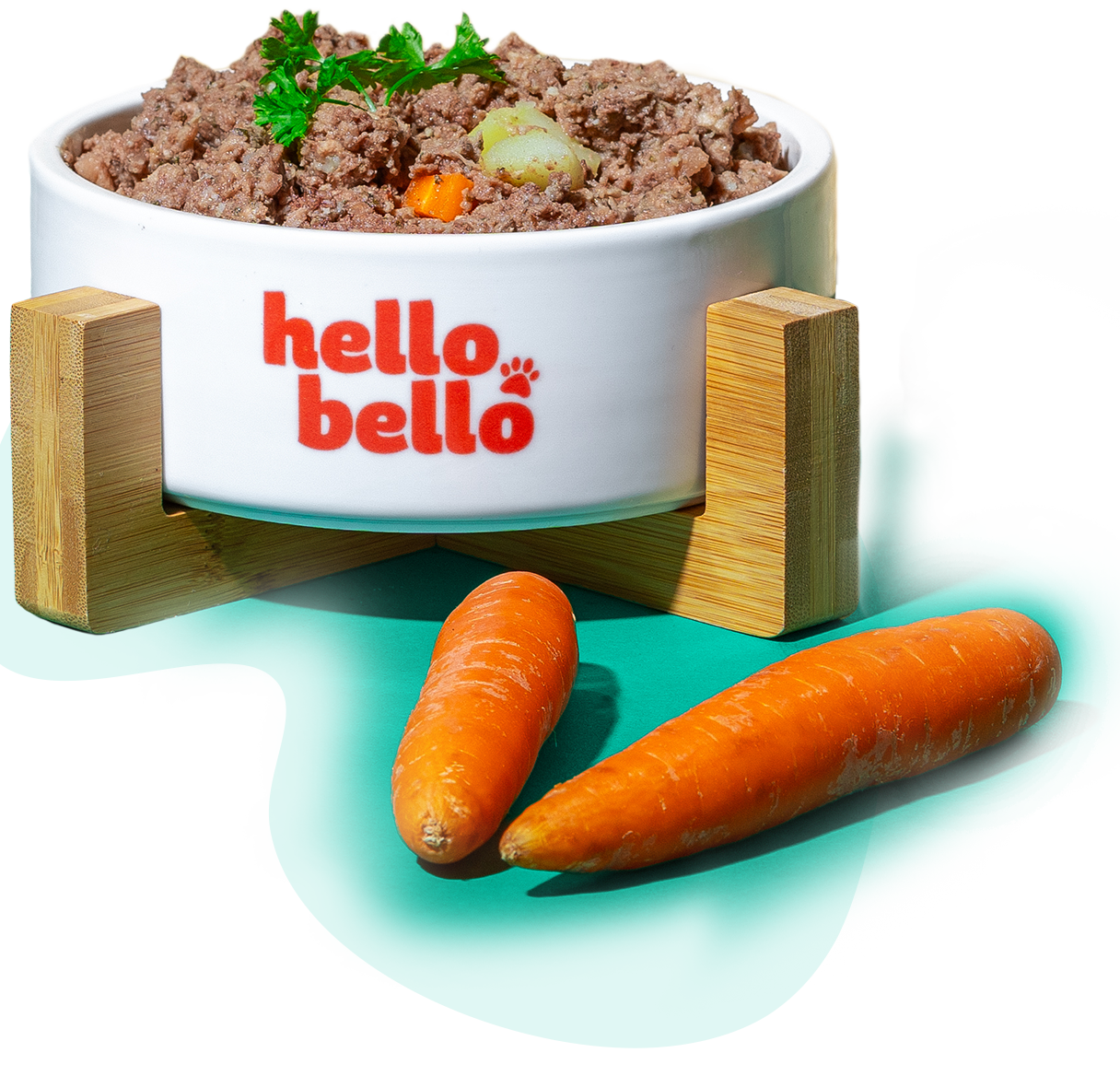


Ähnliche Artikel


